
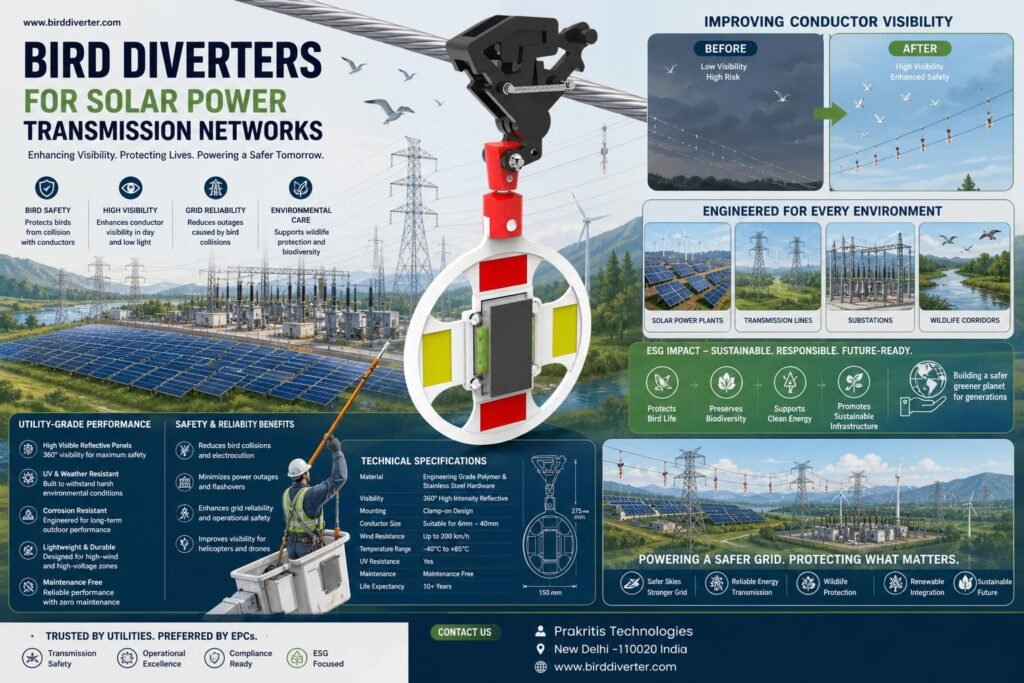
In the rapidly evolving renewable energy sector, ensuring the safety of avian species while optimizing utility transmission networks is paramount. Solar transmission bird diverters play a crucial role in enhancing the visibility of power lines, thus protecting birds and promoting renewable transmission safety. In this article, we delve into the technical specifications, industry applications, and benefits of bird diverters in the context of solar power transmission networks.
Technical Overview
Solar transmission bird diverters are specially designed devices that enhance the visibility of overhead transmission lines. They serve two primary functions: mitigating the risk of bird collisions and ensuring compliance with environmental standards. The diverters are often equipped with bright colors and reflective surfaces to optimize visibility, particularly in areas where migratory birds are prevalent.
These devices are engineered to withstand various environmental conditions, making them suitable for diverse installation settings. Available technologies include:
- LED Bird Diverters
- Non-LED Bird Diverters
- Aerospin Bird Diverters
Each type has unique advantages, allowing utilities and contractors to choose based on specific project requirements. For detailed insights into the different types of bird diverters, please visit our pages on LED Bird Diverters, Non-LED Bird Diverters, and Aerospin Bird Diverters.
Installation Process
The installation of solar transmission bird diverters typically follows a set of best practices to ensure optimal functionality and safety. Important steps include:
- Conducting a site assessment to identify high-risk areas for bird collisions.
- Choosing the appropriate type of bird diverter based on environmental conditions.
- Implementing installation procedures that adhere to safety regulations.
Industry Applications
Bird diverters find extensive applications across various sectors, including:
- State Power Utilities
- EPC Contractors
- Renewable Energy Companies
- Transmission Line Companies
- Government Infrastructure Agencies
Each segment leverages bird diverters not only for environmental compliance but also as part of their commitment to sustainable practices. For instance, renewable energy companies incorporate these solutions to ensure their projects meet both operational and ecological goals.
Benefits for Utilities and EPC Contractors
Integrating solar transmission bird diverters into utility infrastructures yields numerous advantages, including:
- Enhanced Safety: By reducing bird collisions, utilities can prevent costly system downtimes and maintain uninterrupted service.
- Environmental Compliance: The installation of bird diverters aids utilities in adhering to local and international environmental regulations.
- Public Relations: Demonstrating a commitment to avian protection improves utility companies’ public image and stakeholder trust.
Renewable Energy Transmission Relevance
As countries like India focus on expanding their renewable energy capacities, the role of bird diverters becomes increasingly vital. They ensure that the integration of renewable sources, such as solar and wind, does not adversely impact local fauna. This consideration is particularly important in regions with significant migratory bird populations.
Transmission Safety Advantages
Bird diverters enhance transmission line safety by improving conductor visibility, which is particularly crucial during low-light conditions or adverse weather. Effective visibility reduces the likelihood of maintenance interruptions and enhances the reliability of the grid.
Evaluation and Monitoring
To maximize the effectiveness of bird diverters, utilities should implement regular evaluations and monitoring programs. Data collected can inform future projects and help refine installation practices.
Environmental Compliance and ESG Discussion
Integrating bird diverters into utility operations aligns with Environmental, Social, and Governance (ESG) frameworks. By proactively addressing avian protection, utilities can enhance their ESG ratings, ultimately benefiting from increased investment appeal in an environmentally-conscious marketplace.
Product Comparison Table
| Type | Visibility | Durability | Installation |
|---|---|---|---|
| LED Bird Diverter | High | Long-lasting | Standard |
| Non-LED Bird Diverter | Medium | Medium | Simple |
| Aerospin Bird Diverter | High | High | Advanced |
Best Practices Section
To optimize the use of bird diverters in solar transmission networks, we recommend:
- Conducting thorough environmental assessments before installation.
- Keeping diverters clean and unobstructed to maintain visibility.
- Engaging in community outreach about the importance of avian protection.
Call to Action
For a comprehensive consultation on selecting the right bird diverters for your project, please contact us. Our expert team is ready to assist with technical advice and product selection tailored to your infrastructure needs.
FAQ Section
What are the main benefits of using bird diverters?
Bird diverters enhance safety by reducing collision risks, ensure compliance with environmental regulations, and improve public relations for utility companies.
How do bird diverters improve transmission line safety?
They improve visibility of transmission lines, helping to prevent accidents that could disrupt service and help maintain grid reliability.
What types of bird diverters are available?
Common types include LED bird diverters, non-LED bird diverters, and aerospin bird diverters, each offering unique benefits.
Are there specific areas where bird diverters are crucial?
Yes, bird diverters are essential in regions with high migratory bird activity to prevent collision-related injuries and fatalities.
How can utilities ensure the effectiveness of bird diverters?
Implementing regular evaluations and monitoring programs can help assess the impact and efficiency of installed bird diverters.