
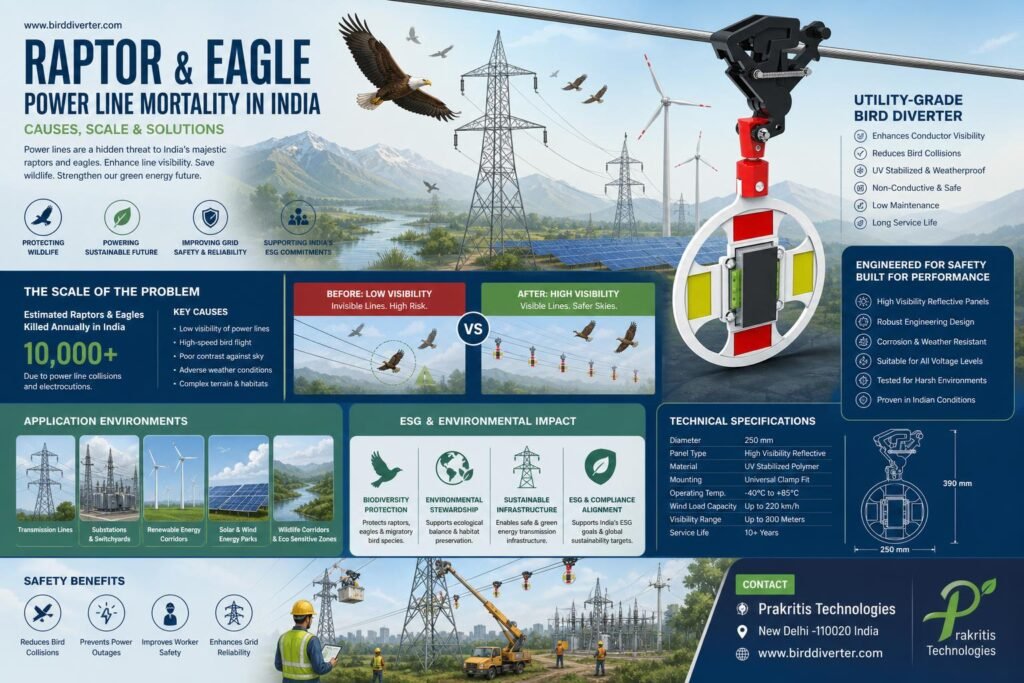
Raptor power line mortality is a significant concern in India, impacting avian populations and posing challenges to sustainable infrastructure development. Understanding the causes, scale, and solutions related to this issue is vital for stakeholders within the utility and renewable energy sectors. As the demand for energy surges in India, it becomes critical to address the intersection of power infrastructure and wildlife protection.
Technical Overview of Raptor Power Line Mortality
Raptor mortality associated with power lines predominantly occurs due to two main factors: electrocution and collision with conductors. These incidents are exacerbated in regions with high raptor populations, especially during migration season.
Factors Contributing to Electrocution
Electrocution often occurs when raptors perch on uninsulated, high-voltage transmission lines. The following factors increase the risk:
- Inadequate line marking: Poor visibility of overhead lines can lead to collisions.
- Proximity to nesting areas: Power lines near raptor breeding grounds can attract birds to hazardous locations.
Collision Risks
Collisions are more frequent in low-visibility conditions, which can be influenced by environmental factors such as fog, rain, and the geographic layout of the land. Raptor strikes on power lines are predominantly reported among species like eagles, hawks, and vultures.
Industry Applications of Bird Diverters
Bird diverters serve an essential role in mitigating raptor power line mortality by improving the visibility of electrical infrastructure. They come in various forms, including:
- LED Bird Diverters
- Non-LED Bird Diverters
- AeroSpin Bird Diverters
Each type offers unique benefits tailored to specific environmental conditions and infrastructure requirements, enhancing safety for avian populations.
Benefits for Utilities and EPC Contractors
For state power utilities and EPC contractors, implementing bird diverters can yield significant advantages:
- Reduced liability: Decreasing raptor mortality reduces potential legal and regulatory risks.
- Compliance with environmental regulations: Bird diverters help meet EPA standards regarding avian protection.
- Enhanced public image: Taking proactive measures to protect wildlife can improve community relations.
Cost-Effectiveness
The integration of bird diverters into existing transmission lines can be accomplished with relative ease and minimal disruption, providing a cost-effective means of elevating utility safety standards.
Renewable Energy Transmission Relevance
With India’s emphasis on renewable energy sources, the need to ensure safe transmission pathways is paramount. Avian protection should be a key consideration in the planning and implementation of new power lines.
Innovative Solutions for Sustainable Infrastructure
To support renewable energy initiatives, innovative bird diverter technologies are being developed. These solutions not only protect birds but also align with sustainability goals set by various governmental and non-governmental organizations.
Transmission Safety Advantages
Implementing bird diverters enhances overall transmission safety by:
- Increasing visibility of wires.
- Decreasing instances of wire strikes.
- Minimizing the risk of power outages due to damaged lines.
Environmental Compliance and ESG Discussion
Environmental, Social, and Governance (ESG) considerations are becoming increasingly important for utility companies. By investing in avian protection strategies like bird diverters, companies demonstrate their commitment to responsible infrastructure development.
Regulatory Compliance
Various environmental laws necessitate that utilities undertake measures to protect endangered raptor species. Compliance with these regulations not only mitigates legal risks but also enhances corporate sustainability.
Product Comparison Table
| Product Type | Visibility Enhancement | Installation Ease | Cost Effectiveness |
|---|---|---|---|
| LED Bird Diverters | High | Moderate | Higher |
| Non-LED Bird Diverters | Moderate | Easy | Lower |
| AeroSpin Bird Diverters | Moderate | Easy | Moderate |
Best Practices for Avian Protection
To enhance the effectiveness of bird diverters, utilities should consider the following best practices:
- Conduct regular audits of transmission lines for compliance with avian protection standards.
- Implement a radar system for real-time monitoring of bird activity near power lines.
- Engage with local wildlife experts to assess the specific needs of regional bird populations.
Call to Action
If your organization is looking to enhance transmission safety and protect raptors, contact Bird Diverter for expert consultation and product support. Get in touch with us today to learn more about our solutions tailored to your needs.
FAQ Section
What are bird diverters?
Bird diverters are devices installed on power lines to enhance visibility and reduce the risk of avian collisions.
How do bird diverters help with transmission safety?
By increasing the visibility of overhead conductors, bird diverters help prevent bird strikes and electrocution.
What types of bird diverters are available?
Common types include LED bird diverters, non-LED bird diverters, and AeroSpin bird diverters, each with distinct advantages.
Why is raptor protection important for utilities?
Protecting raptors mitigates potential legal liabilities, enhances compliance with environmental regulations, and upholds corporate social responsibility.
How can I choose the right bird diverter for my project?
Contact Bird Diverter for technical consultation on selecting the most suitable bird diverters for your specific transmission project requirements.