Understanding the Impact of Avian Protection Equipment on Local Wildlife


Understanding Avian Protection Equipment
As urban development and infrastructure expand, the impact on local wildlife, particularly birds, becomes a pressing concern. Avian protection equipment is designed to mitigate these impacts by safeguarding birds against various threats, including power lines, wind turbines, and communication towers. Understanding how these tools work and their overall effectiveness is crucial for conservation efforts.
Avian protection equipment encompasses a range of devices and strategies aimed at preventing bird collisions and electrocutions. These include bird diverters, line markers, and perch deterrents. By implementing these tools, we can help reduce the mortality rate of birds in urban and semi-urban areas.

The Role of Bird Diverters
Bird diverters are one of the most common forms of avian protection. These devices are installed on power lines and other structures to make them more visible to birds. By using bright colors or reflective materials, diverters alert birds to obstacles in their flight path, significantly reducing collision risks.
Studies have shown that the installation of bird diverters can reduce collisions by up to 85%. This significant decrease highlights their importance in avian conservation efforts, particularly in areas with high bird activity.
Effectiveness of Line Markers
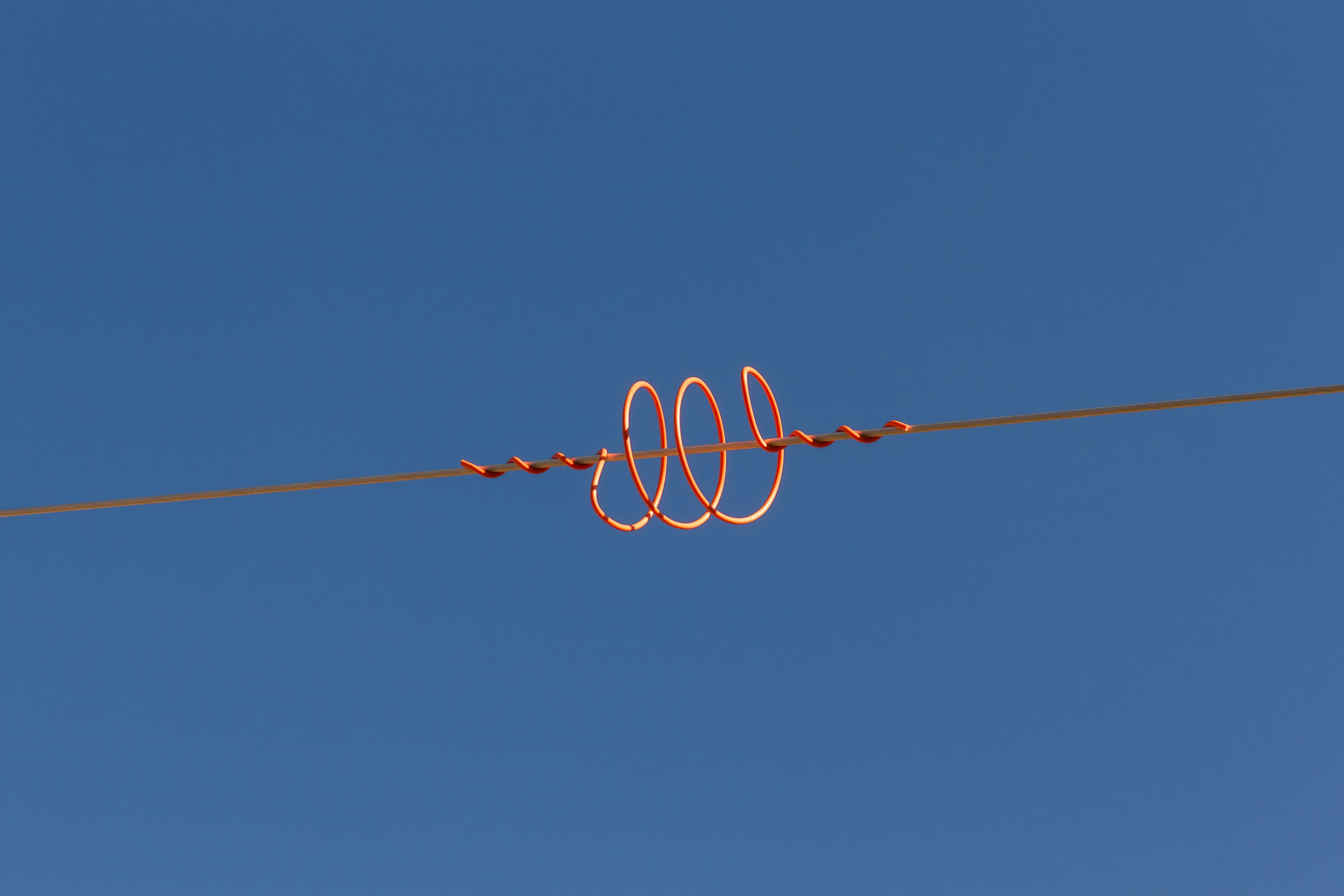
Line markers are another critical component of avian protection equipment. These spherical or spiral devices are attached to power lines to enhance their visibility. Line markers are particularly effective in low-light conditions or areas with frequent fog, making them invaluable in minimizing bird strikes.
While line markers have proven effective, their success largely depends on proper installation and maintenance. Regular inspections ensure that these devices continue to function as intended, providing ongoing protection for local wildlife.
Perch Deterrents and Their Benefits
Perch deterrents are designed to prevent birds from landing on potentially dangerous structures such as transformers and substations. By discouraging perching, these devices help reduce the risk of electrocution, one of the leading causes of avian mortality near power infrastructure.
Implementing perch deterrents is a proactive approach that not only protects birds but also helps maintain the reliability of power systems by minimizing outages caused by wildlife.
Integrating Avian Protection into Urban Planning
Integrating avian protection equipment into urban planning is essential for creating bird-friendly environments. By considering avian protection during the design and construction phases of infrastructure projects, we can proactively address potential risks to local wildlife.
Collaboration between conservationists, engineers, and policymakers is crucial in this integration process. Together, they can design solutions that balance developmental needs with environmental conservation.

The Broader Impact on Ecosystems
Protecting birds through avian protection equipment has a broader impact on entire ecosystems. Birds play a vital role in pest control, pollination, and seed dispersal. By safeguarding bird populations, we help maintain ecological balance and support biodiversity.
Furthermore, healthy bird populations contribute to the overall health of ecosystems, benefiting other wildlife species and enhancing the natural beauty of our surroundings.
Conclusion
Avian protection equipment is an invaluable tool in the efforts to preserve bird populations and maintain ecological balance. By understanding and implementing these tools, we can significantly reduce the negative impacts of urban development on local wildlife.
Continued research and innovation in avian protection will be crucial in adapting to new challenges and ensuring the safety of our feathered friends in an ever-changing world.