Understanding Power Line Bird Safety: A Comprehensive Guide


Introduction to Bird Safety and Power Lines
Power lines are a critical part of our infrastructure, but they can pose significant risks to wildlife, particularly birds. Understanding the dynamics between birds and power lines is essential for ensuring their safety. This guide delves into the measures taken to protect birds and how these initiatives contribute to environmental conservation.
Why Birds Are at Risk
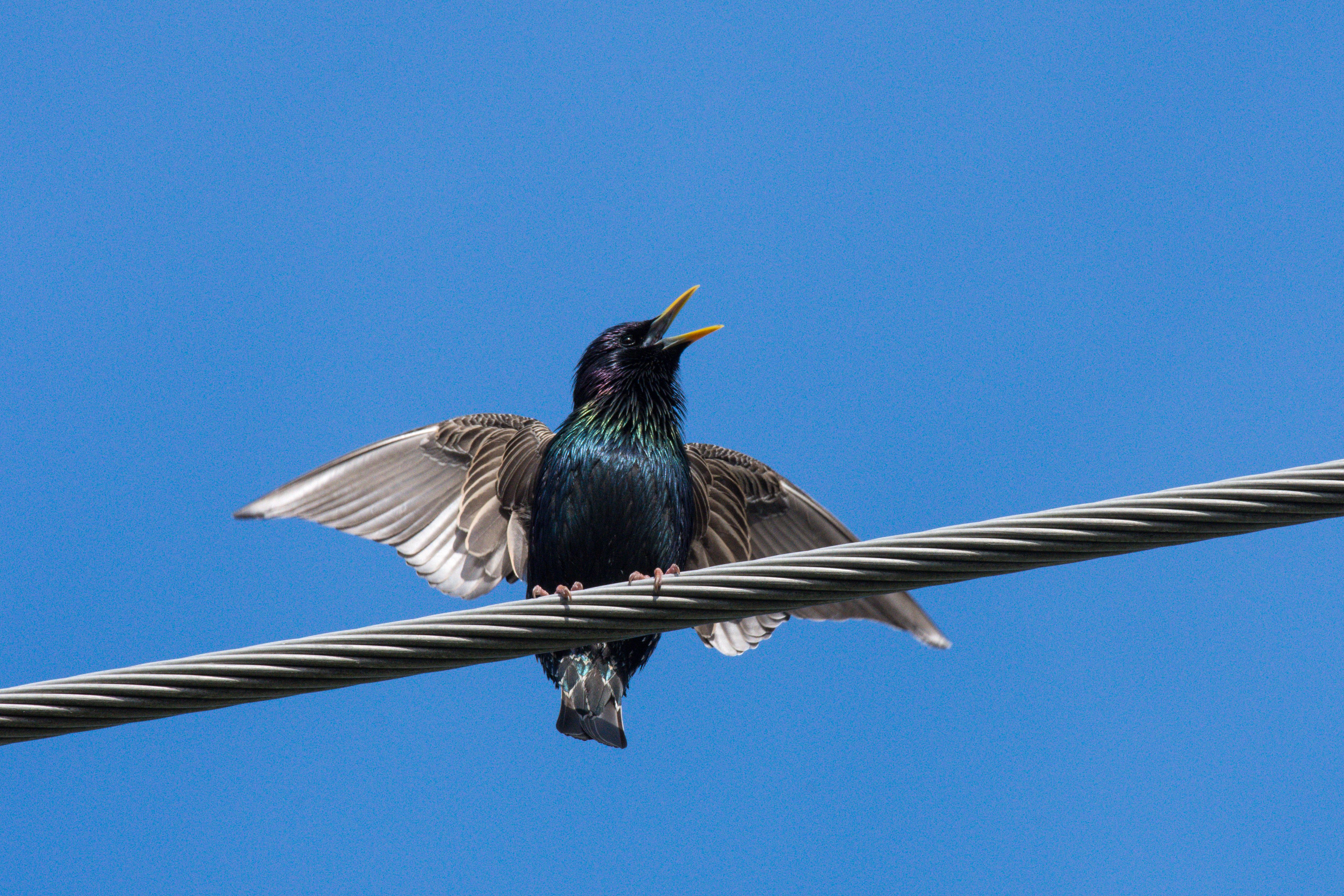
Birds are often at risk when they come into contact with power lines due to their size and the span of their wings. Large birds, such as eagles and cranes, are particularly vulnerable because their wings can easily bridge the gap between live wires, leading to electrocution. Additionally, collisions with power lines can cause significant injury or death.
Factors Contributing to Bird-Power Line Interactions
Several factors contribute to the likelihood of bird-power line interactions, including the location of power lines, the type of birds in the area, and the presence of natural habitats nearby. Understanding these factors helps in designing mitigation strategies.
Mitigation Strategies
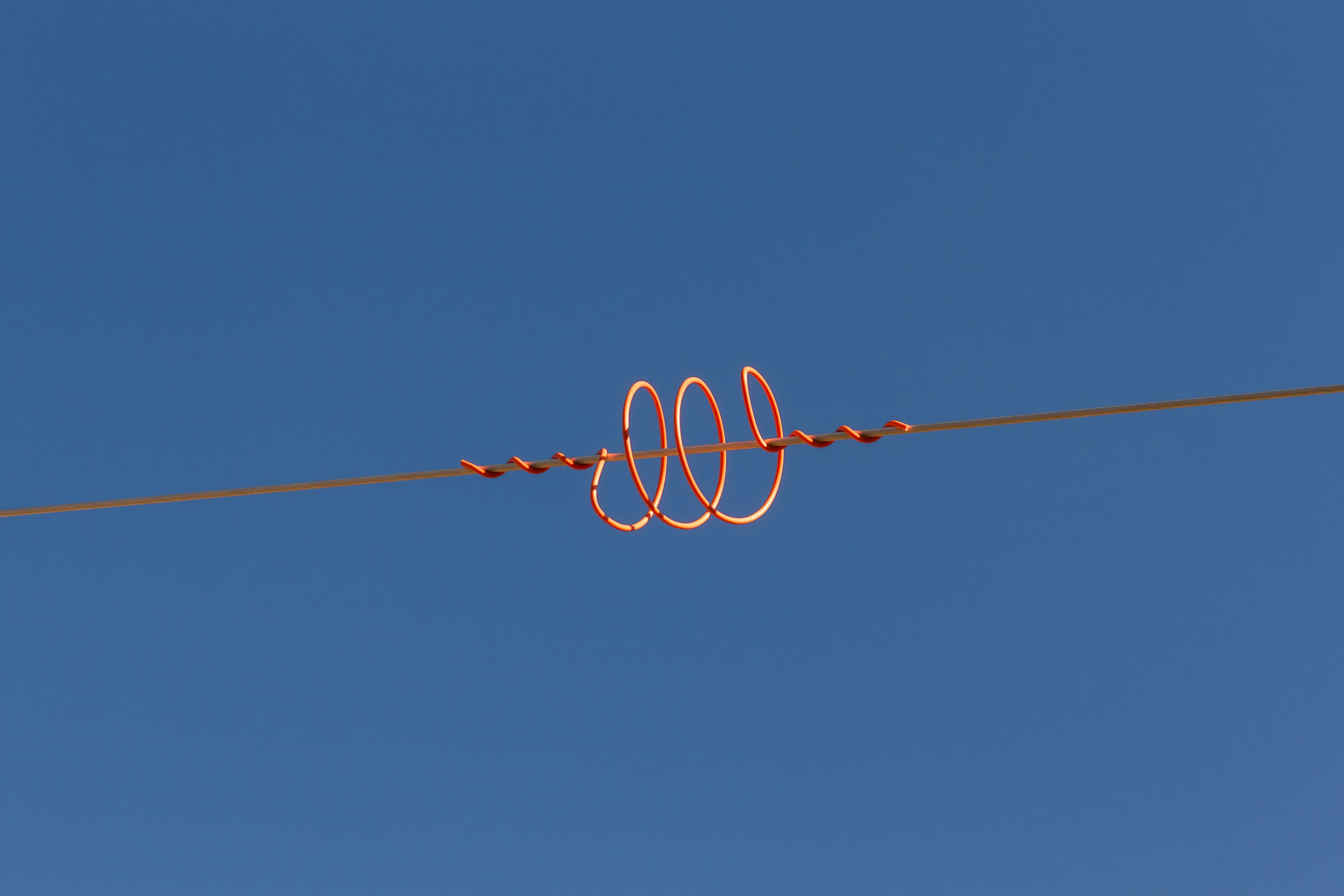
To reduce the risks, various mitigation strategies have been developed. These include installing bird diverters on power lines to make them more visible, insulating live wires, and rerouting lines away from critical habitats. These solutions are crucial for minimizing bird casualties.
Innovative Technologies
Advancements in technology have led to innovative solutions for bird safety. For example, using drones to monitor power lines and detect potential risks has become more common. Additionally, smart grid technology helps in identifying and addressing issues in real-time.
Regulatory and Conservation Efforts
Regulations play a vital role in ensuring bird safety around power lines. Many countries have implemented laws requiring power companies to take preventive measures. Conservation organizations also work tirelessly to advocate for bird-friendly practices.

Community Involvement
Community involvement is essential in promoting bird safety. Educational programs and awareness campaigns can help the public understand the importance of protecting birds from power line hazards. Local communities can also participate in monitoring and reporting potential risks.
Conclusion
Understanding and addressing the challenges birds face with power lines is crucial for their protection and the overall health of our ecosystems. By implementing effective strategies, leveraging technology, and fostering community involvement, we can create a safer environment for our avian friends.