The Role of Seasonal Changes in Bird Flight Diverter Effectiveness


Understanding Bird Flight Diverters
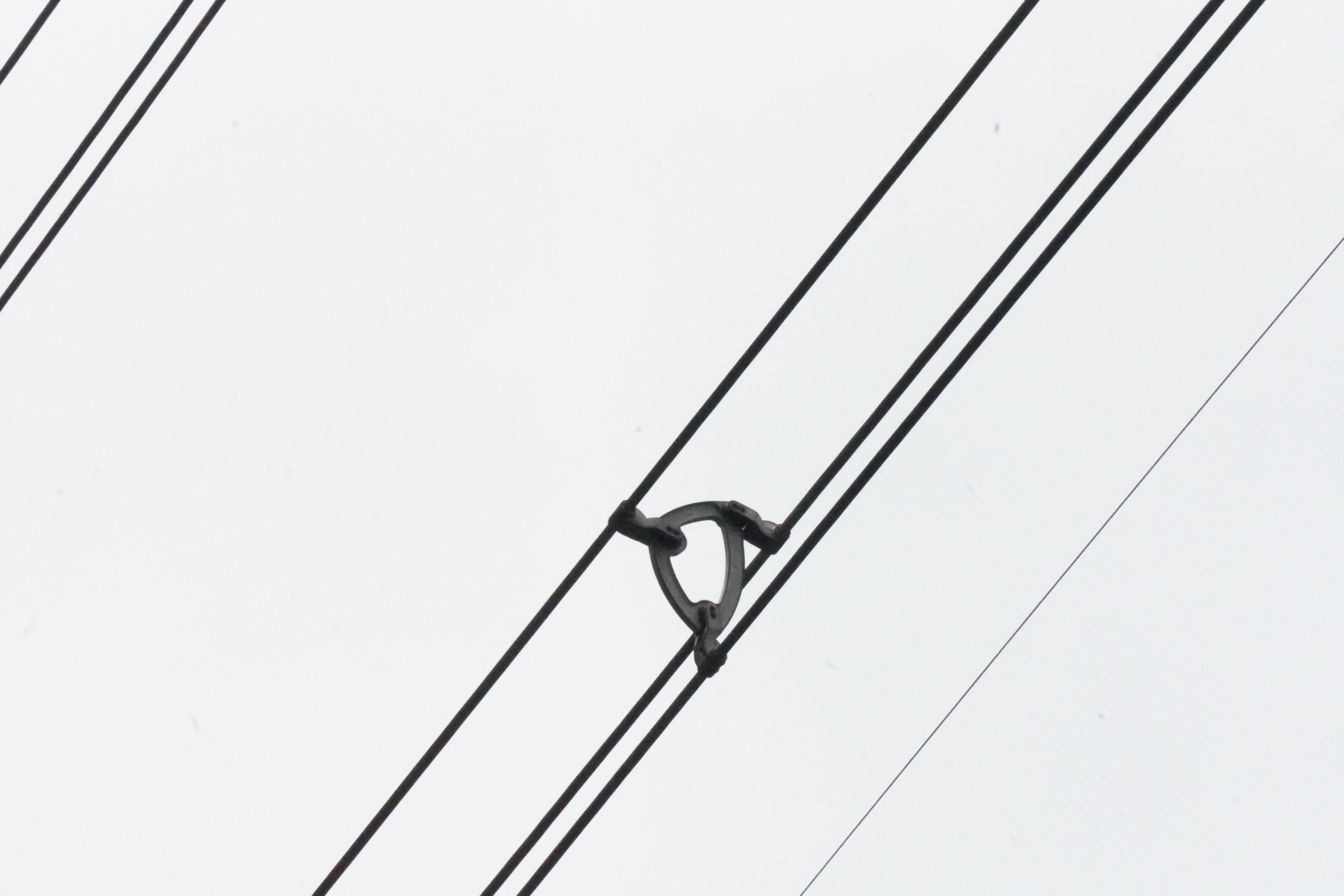
Bird flight diverters are crucial tools used to prevent avian collisions with power lines and other structures. These devices work by increasing the visibility of these obstacles, helping birds avoid them during flight. The effectiveness of bird flight diverters can vary depending on several factors, including environmental conditions and seasonal changes.
Various designs are available, each tailored to specific environments and bird species. Understanding how these designs interact with different seasonal conditions is essential for optimizing their use and ensuring the safety of bird populations.
Impact of Seasonal Changes
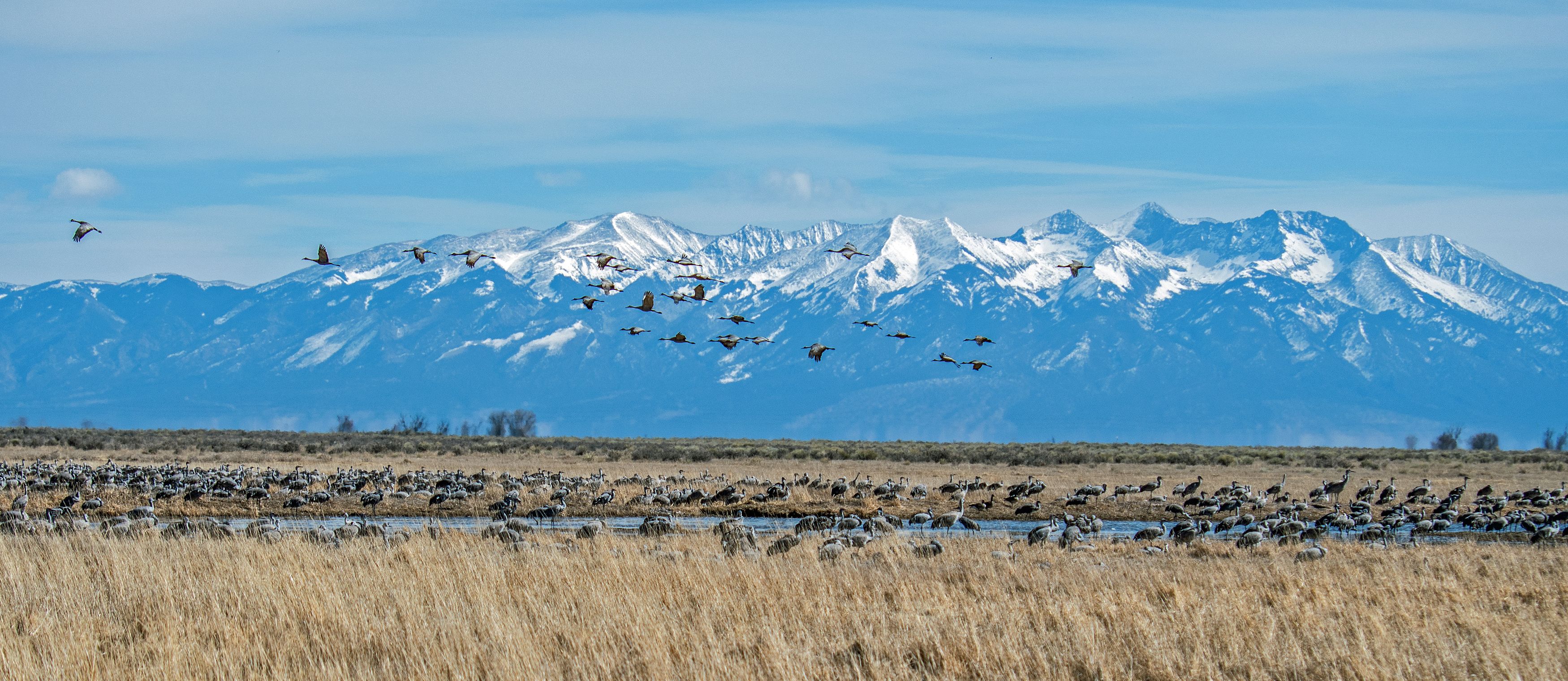
Seasonal changes can significantly influence the effectiveness of bird flight diverters. For example, during spring and fall migrations, different bird species are on the move, and their flight patterns may change. This can affect how well diverters perform, as birds might be flying at different altitudes or in different areas.
Weather conditions, such as fog, rain, or snow, also vary with the seasons and can impact visibility. In winter, snow and ice may accumulate on diverters, reducing their visibility and effectiveness. Conversely, summer months may bring clearer skies, enhancing the diverters' visibility.
Adapting to Weather Variations
To address weather-related challenges, some bird flight diverters are designed to be more visible in low-light or poor-weather conditions. Reflective materials or LED lights can be incorporated to improve visibility during foggy or dim conditions. Regular maintenance is crucial to ensure these features function correctly throughout the year.
Additionally, implementing a seasonal maintenance schedule can help keep diverters in optimal condition. This might involve cleaning, inspecting for damage, and ensuring that all components are functioning as intended.
Migration Patterns and Diverter Placement
The placement of bird flight diverters is another critical factor influenced by seasonal changes. During migration seasons, birds may follow different routes, necessitating strategic placement of diverters along these pathways. Understanding local bird populations and their migratory habits can help in planning effective diverter systems.
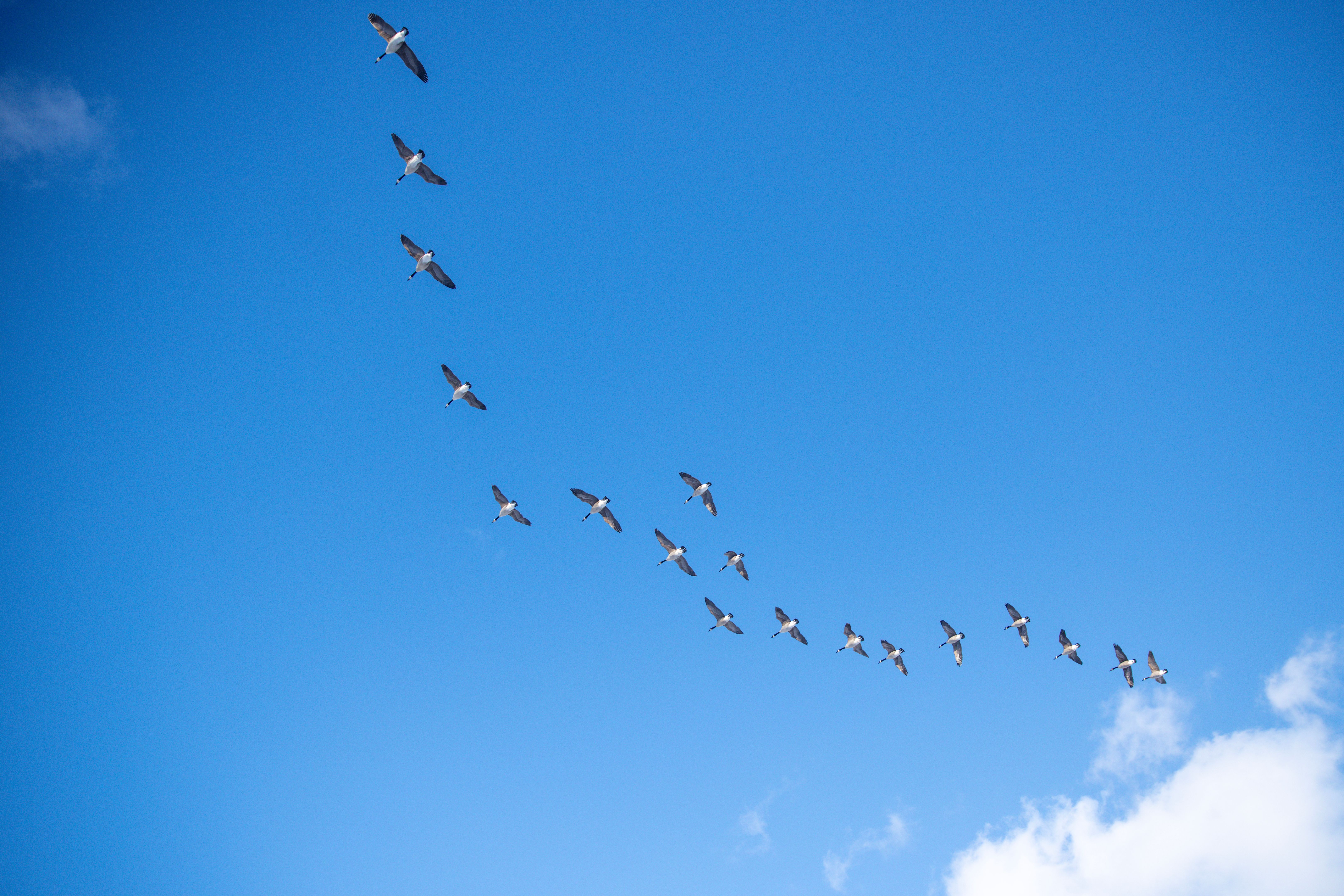
Consulting with ornithologists and utilizing bird tracking data can provide valuable insights into migration patterns. This information can guide the placement of diverters to maximize their effectiveness during peak migration periods.
Innovations and Future Directions
Innovations in bird flight diverter technology continue to evolve, with new designs focusing on adaptability to seasonal changes. Advances in materials and technologies, such as smart sensors that adjust to environmental conditions, show promise in enhancing diverter effectiveness year-round.
Research and collaboration between conservationists, engineers, and scientists are key to developing solutions that protect bird populations while accommodating seasonal variations.
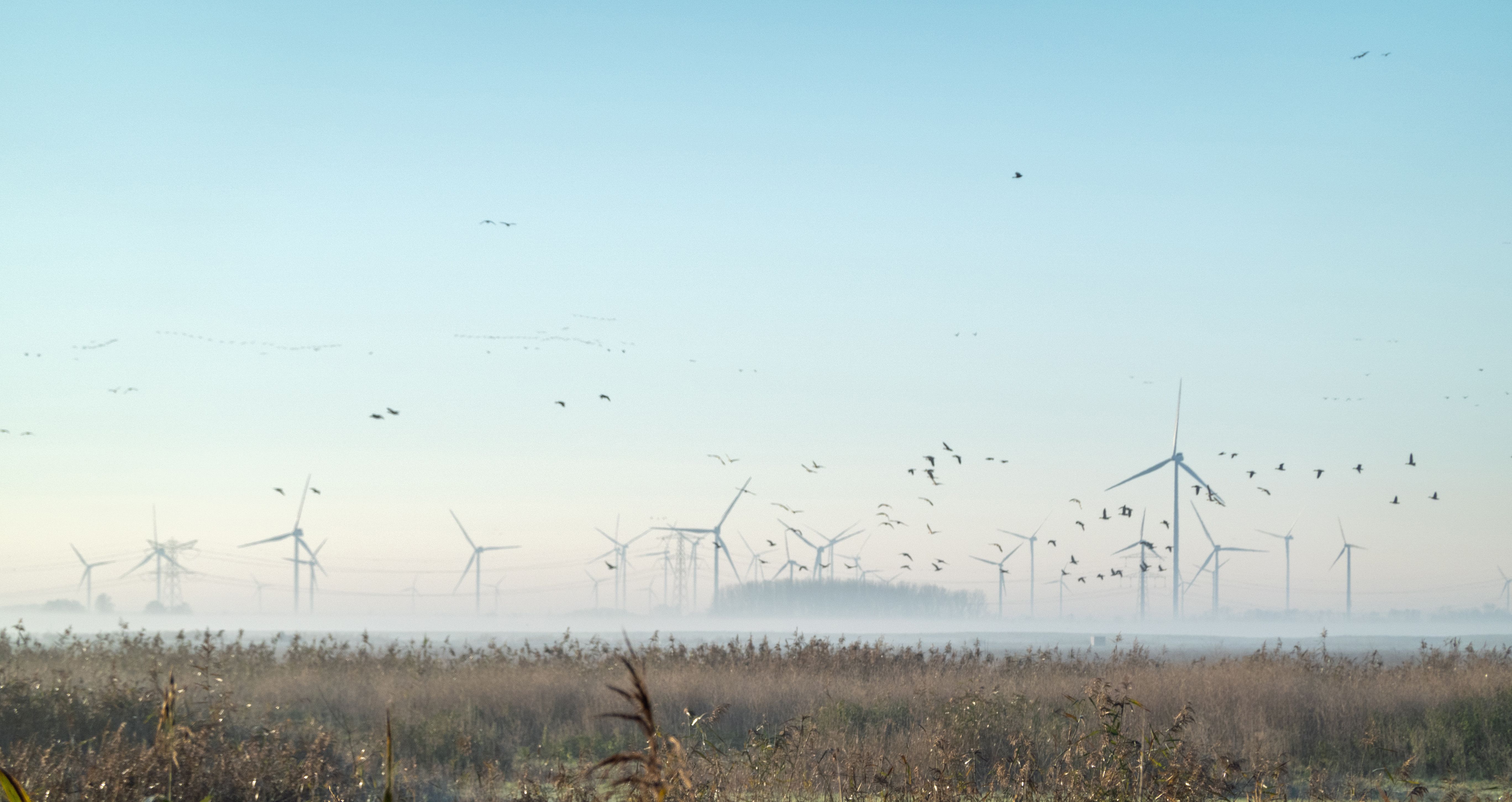
In conclusion, understanding the role of seasonal changes in bird flight diverter effectiveness is essential for conservation efforts. By considering factors such as weather, migratory patterns, and technological advancements, we can improve the protection of avian species and mitigate the risks posed by human-made structures.