The Role of Overhead Line Markers in Modern Power Infrastructure


Introduction to Overhead Line Markers
In the rapidly evolving landscape of modern power infrastructure, overhead line markers play a crucial role in ensuring safety and efficiency. These devices, often seen hanging from power lines, serve multiple purposes that contribute to the seamless operation of power networks. Understanding their function and importance can shed light on how they support the broader energy system.
Overhead line markers are primarily designed to make power lines more visible to aircraft, particularly low-flying planes and helicopters. By enhancing visibility, these markers help prevent potentially dangerous collisions, safeguarding both the infrastructure and the lives of pilots and passengers.
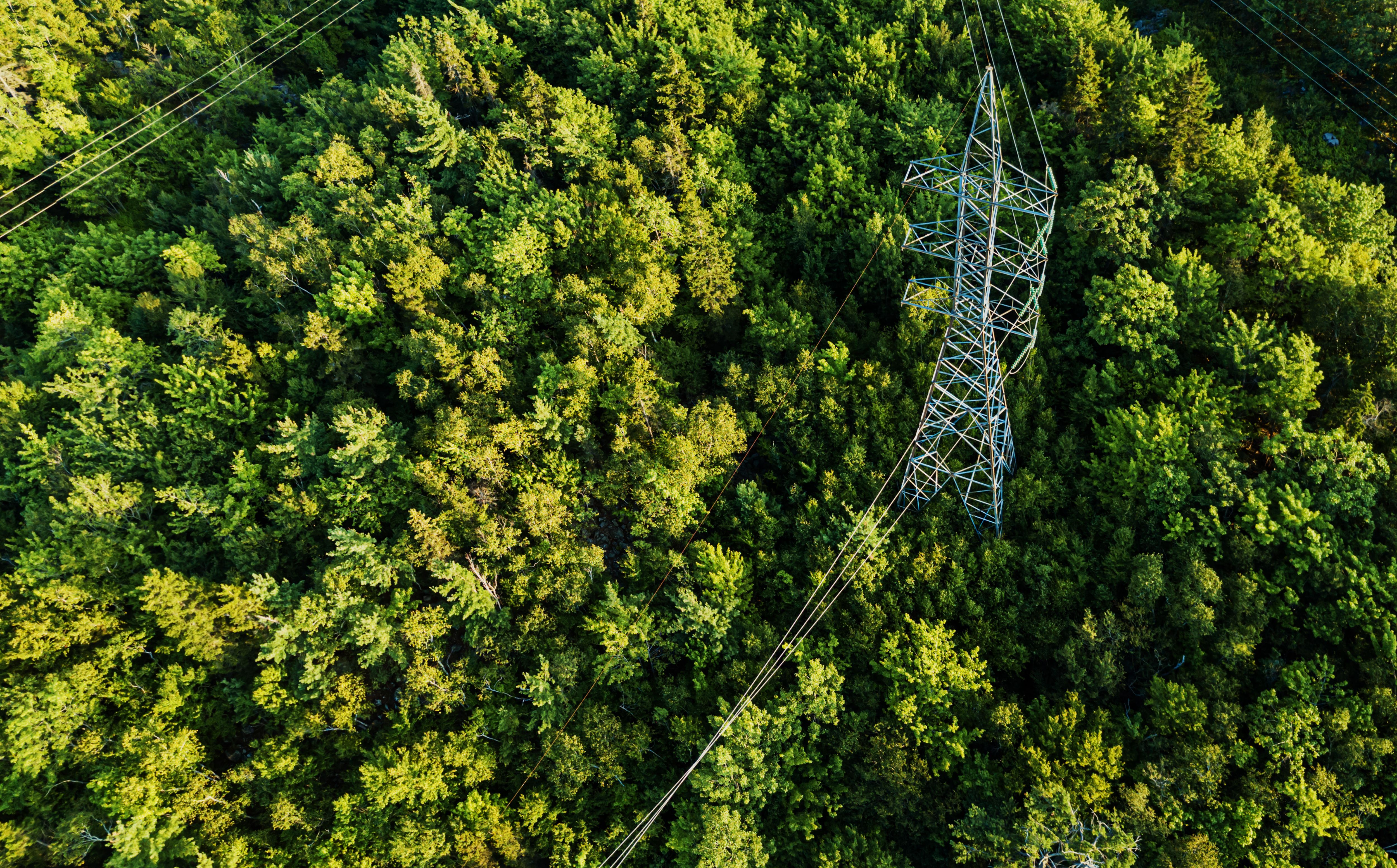
Enhancing Safety in Power Infrastructure
The safety aspect of overhead line markers cannot be overstated. They are strategically placed to alert pilots about the presence of power lines in areas where visibility might be compromised, such as near airports or in regions with frequent low-flying aircraft. This visual cue is critical in preventing accidents and ensuring that service interruptions due to line damage are kept to a minimum.
Moreover, these markers are often equipped with reflective materials or lights, which further increase their visibility during nighttime or adverse weather conditions. This added feature is crucial in maintaining safety standards across various environmental scenarios.
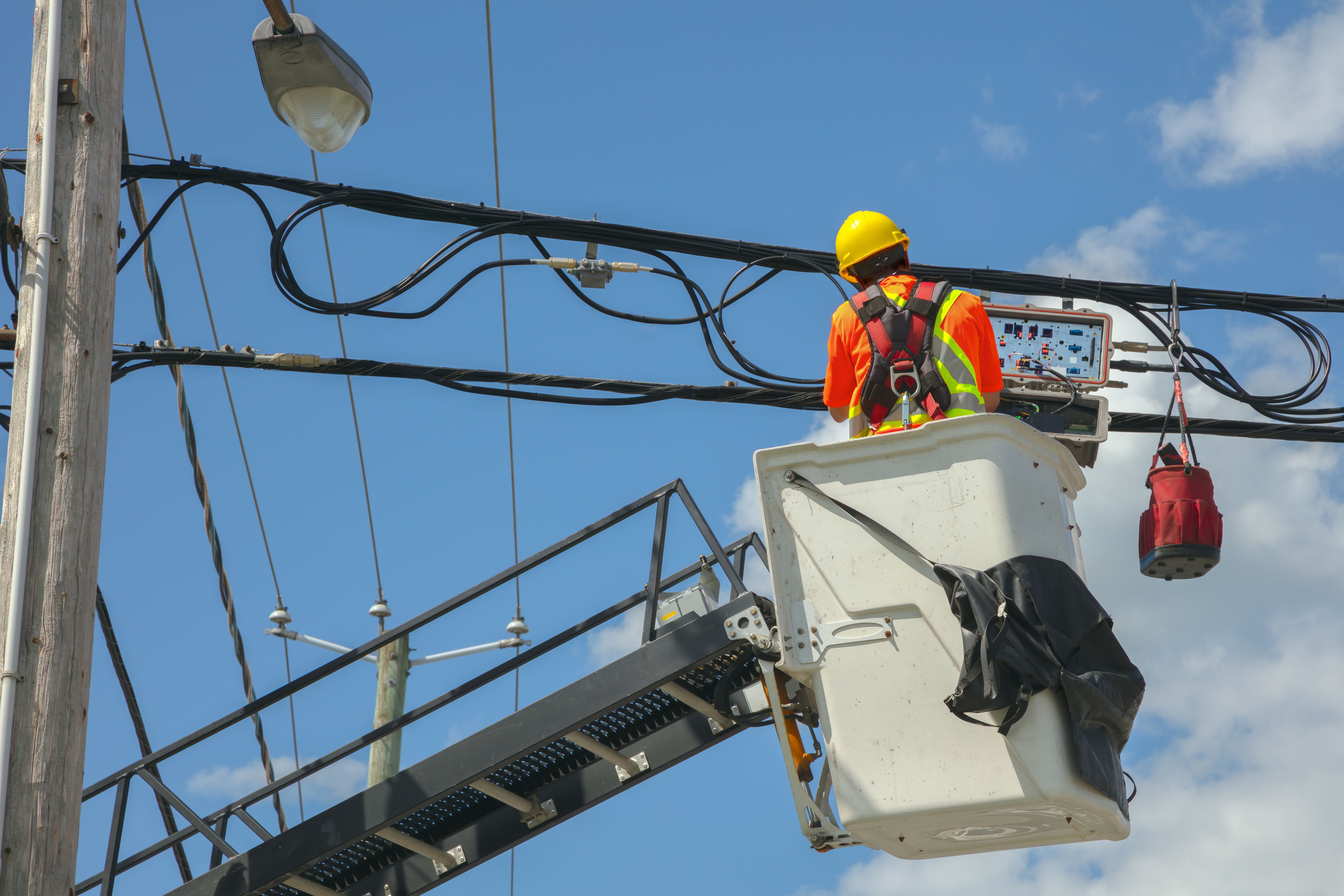
Types of Overhead Line Markers
There are several types of overhead line markers, each designed to meet specific needs and environmental conditions. Some of the most common types include:
- Spherical Markers: These are the most widely used and are typically brightly colored for high visibility.
- Flag Markers: These consist of a flag attached to the line, often used in conjunction with spherical markers for enhanced visibility.
- Lighted Markers: Equipped with lights for visibility in low-light conditions.
Environmental Considerations
While overhead line markers are essential for safety, they must also align with environmental considerations. The materials used in these markers are often chosen for their durability and minimal environmental impact. Lightweight materials ensure that they do not add unnecessary stress to the power lines.

Additionally, the design and placement of these markers are carefully planned to avoid disrupting local wildlife, particularly birds that may collide with lines. Specially designed markers can help mitigate these ecological impacts.
Technological Advancements
Recent technological advancements have further enhanced the effectiveness and functionality of overhead line markers. Innovations such as solar-powered lights and materials that change color based on temperature or weather conditions are being explored to improve their performance and adaptability.
These advancements not only boost safety but also contribute to the sustainability and resilience of power infrastructure, aligning with global efforts to modernize energy systems.

The Future of Overhead Line Markers
As the demand for energy continues to grow, the role of overhead line markers in power infrastructure will only become more significant. Future developments may include integration with smart grid technologies, allowing for real-time monitoring and maintenance alerts. This integration can lead to more proactive management of power networks, reducing downtime and improving efficiency.
Overall, overhead line markers are an indispensable component of modern power infrastructure, ensuring safety, visibility, and efficiency across the board. As technology advances, their role will continue to evolve, supporting a more robust and reliable power system.