Expert Tips for Maintaining Transmission Reliability While Protecting Wildlife


Understanding Transmission Reliability
Transmission reliability is crucial for ensuring that electricity is delivered efficiently from power plants to end-users. When transmission lines face issues, it can lead to power outages, affecting homes and businesses alike. Maintaining this reliability involves regular inspections, proper maintenance, and strategic planning. However, these activities must be balanced with environmental considerations, particularly the protection of local wildlife.
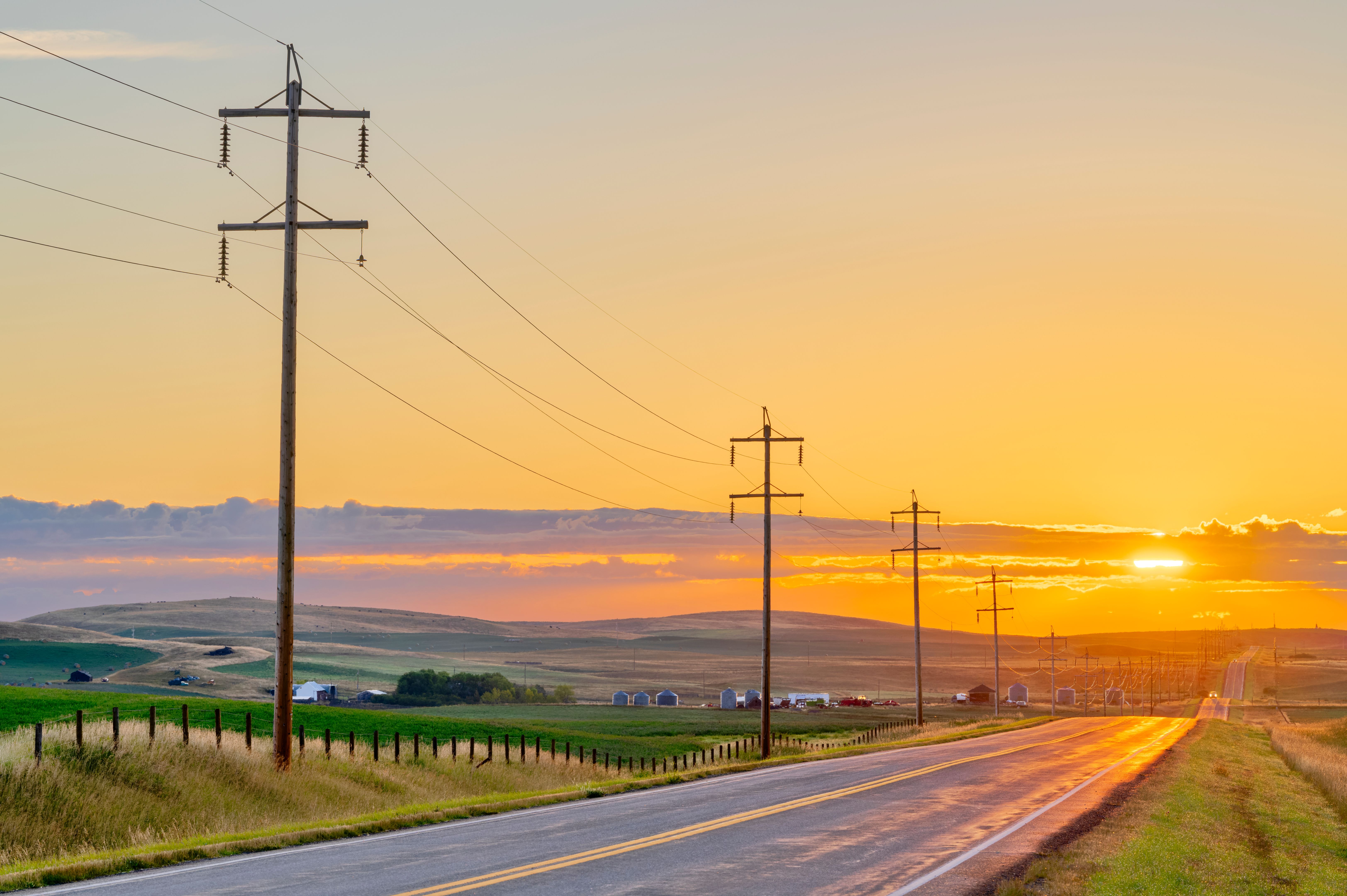
The Importance of Wildlife Protection
While maintaining transmission reliability is essential, it is equally important to protect the ecosystems surrounding these infrastructures. Many transmission lines run through natural habitats, posing risks to birds, mammals, and other wildlife. Integrating wildlife protection measures into maintenance practices can help minimize these impacts and promote biodiversity.
Creating Wildlife-Friendly Habitats
One effective strategy is to create habitats that support local wildlife populations. This can include planting native vegetation around transmission corridors and installing nesting boxes for birds. By fostering a supportive environment, we can help mitigate the negative effects of infrastructure on local ecosystems.

Implementing Advanced Technologies
Incorporating advanced technologies is another way to enhance transmission reliability while safeguarding wildlife. For instance, using drones for line inspections reduces the need for disruptive ground-based activities. Drones can quickly identify issues without disturbing the habitat, making maintenance more efficient and environmentally friendly.
Smart Grid Solutions
Smart grid technologies can also play a significant role in this balance. These systems allow for real-time monitoring and management of the grid, helping to prevent outages and reduce the need for invasive maintenance work. By predicting and addressing potential problems before they escalate, smart grids support both reliability and ecological preservation.

Community Engagement and Education
Engaging with local communities is vital for the success of transmission projects that consider wildlife protection. Educating the public about the importance of maintaining both reliable power and healthy ecosystems encourages cooperation and support. Hosting workshops and informational sessions can help raise awareness about the initiatives being taken and how communities can contribute.
Collaborative Efforts
Collaboration with environmental organizations and wildlife experts can further enhance these efforts. By working together, utility companies can develop comprehensive strategies that address both transmission reliability and wildlife protection. These partnerships can lead to innovative solutions that benefit both the power grid and the environment.

Final Thoughts
Balancing transmission reliability with wildlife protection is a challenging but achievable goal. By adopting sustainable practices, utilizing advanced technologies, and engaging with communities, utility companies can ensure that they meet energy demands while preserving the natural world. This holistic approach not only protects wildlife but also promotes a healthier planet for future generations.