Expert Insights: The Future of Bird Flight Diverters in Utility Management


As the world becomes increasingly conscious of environmental impacts, utility management is adopting innovative solutions to minimize its ecological footprint. One such innovation is the use of bird flight diverters, crucial tools in reducing avian collisions with power lines. By understanding the future of these devices, utility companies can better integrate them into their operations to protect wildlife.
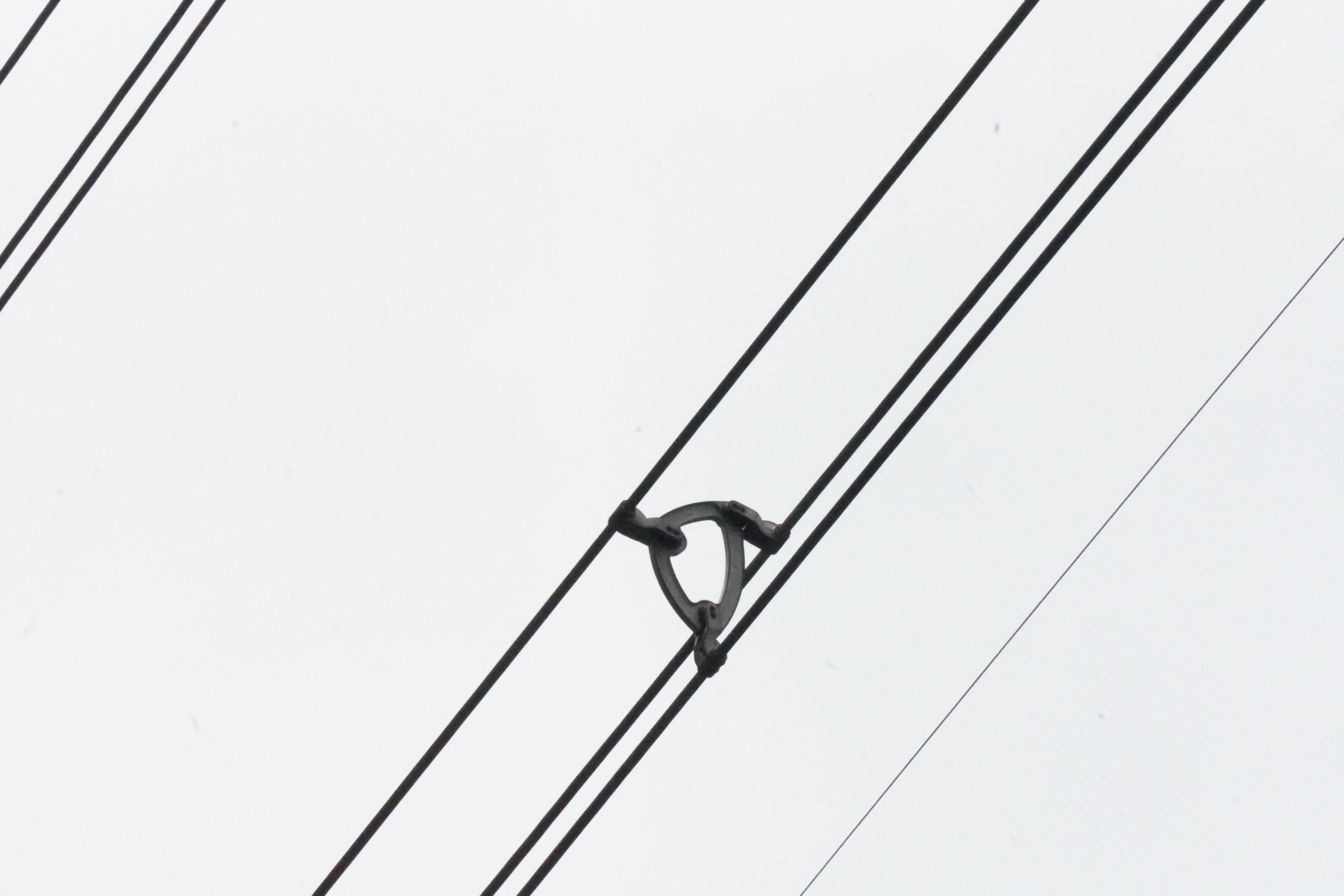
The Importance of Bird Flight Diverters
Bird flight diverters play an essential role in conserving bird populations. Power lines are often difficult for birds to see, leading to fatal collisions. By installing diverters, utility companies can make these structures more visible, helping to guide birds safely around them. This not only protects wildlife but also reduces outages caused by such collisions.
Recent studies have shown that bird flight diverters can reduce avian collisions by up to 90%. These promising results underscore the importance of widespread implementation, particularly in areas with high bird traffic. As environmental regulations become stricter, this technology is likely to see increased adoption.
Technological Advances in Diverters
Innovation is driving the development of more effective bird flight diverters. Modern designs incorporate reflective materials and LED lights, making them visible both day and night. Some models even feature motion sensors that activate lights, further enhancing visibility when birds are near.

Furthermore, advancements in materials science have led to the creation of more durable and weather-resistant diverters. These improvements ensure that the devices remain effective over longer periods, reducing the need for frequent maintenance and replacement.
Integration with Smart Grid Technology
As utility companies transition to smart grid technology, there is an opportunity to integrate bird flight diverters into these systems. By connecting diverters to the grid, companies can monitor their performance in real-time and receive alerts when maintenance is needed. This integration can optimize the effectiveness of the diverters and ensure they operate at peak efficiency.
Additionally, data collected from these devices can be used to analyze bird migration patterns and collisions, providing valuable insights for both utility management and wildlife conservation efforts.

The Role of Policy and Regulation
Government policies and regulations will play a significant role in shaping the future of bird flight diverters. As awareness of environmental issues grows, there may be increased legislative pressure on utility companies to implement bird protection measures. This could lead to mandates requiring the installation of diverters in certain regions.
Moreover, incentives such as tax breaks or grants could be introduced to encourage companies to invest in this technology. By aligning business interests with environmental goals, policymakers can facilitate a smoother transition to more sustainable utility management practices.
Conclusion: A Sustainable Future
The future of bird flight diverters in utility management is bright, driven by technological advancements and an increased focus on sustainability. By embracing these innovations, utility companies can play a crucial role in protecting bird populations while maintaining efficient and reliable service.
As the industry continues to evolve, collaboration between technology developers, utility companies, and policymakers will be essential. Together, they can create a future where utility infrastructure coexists harmoniously with the natural world, ensuring a sustainable legacy for generations to come.