Do Bird Flight Diverters Really Prevent Collisions? An Expert Analysis


Understanding Bird Flight Diverters
Bird collisions with power lines and other structures pose a significant threat to various bird species. To address this issue, bird flight diverters have been developed and implemented worldwide. These devices are designed to make power lines and other structures more visible to birds, hopefully preventing fatal collisions.
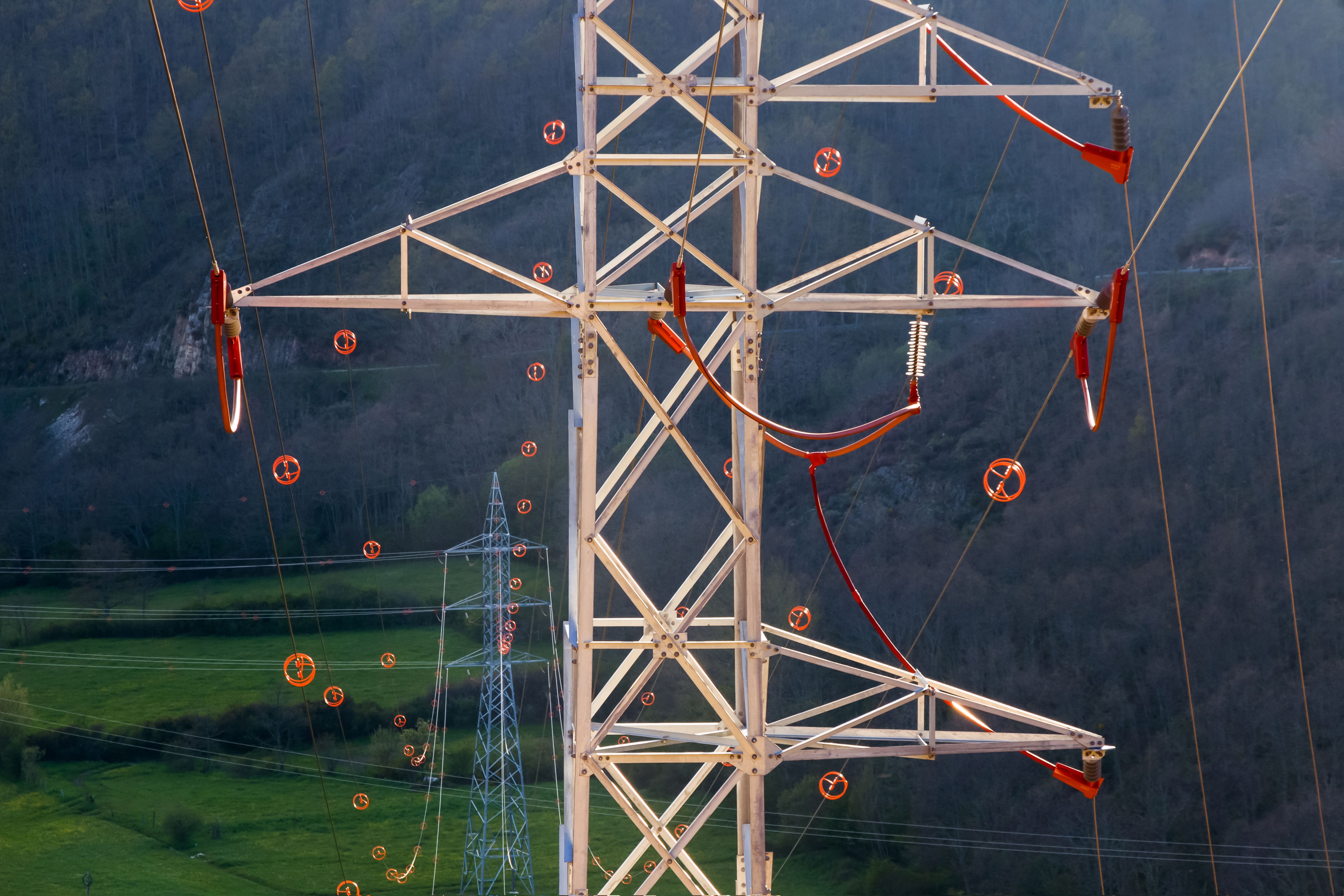
Bird flight diverters come in different shapes and sizes, including spirals, spheres, and flags. They are typically attached to power lines or other structures to catch the attention of birds, alerting them to the presence of obstacles in their flight path. But how effective are these devices in reality?
The Mechanics Behind Bird Flight Diverters
The principle behind bird flight diverters is relatively simple. By increasing the visibility of obstacles, birds are more likely to notice and avoid them. Diverters often use bright colors or reflective materials to stand out against the natural environment, improving their visibility even in low-light conditions.
Research indicates that birds, especially larger species like raptors, have better chances of avoiding collisions when flight diverters are in place. But do these devices work universally across all bird species and environmental conditions?
Effectiveness Across Bird Species
Studies have shown varying levels of effectiveness depending on the bird species. Larger birds, such as swans and cranes, benefit significantly from diverters due to their slower flight speeds and better vision. Smaller birds, however, may not notice the diverters as easily, reducing their overall effectiveness.
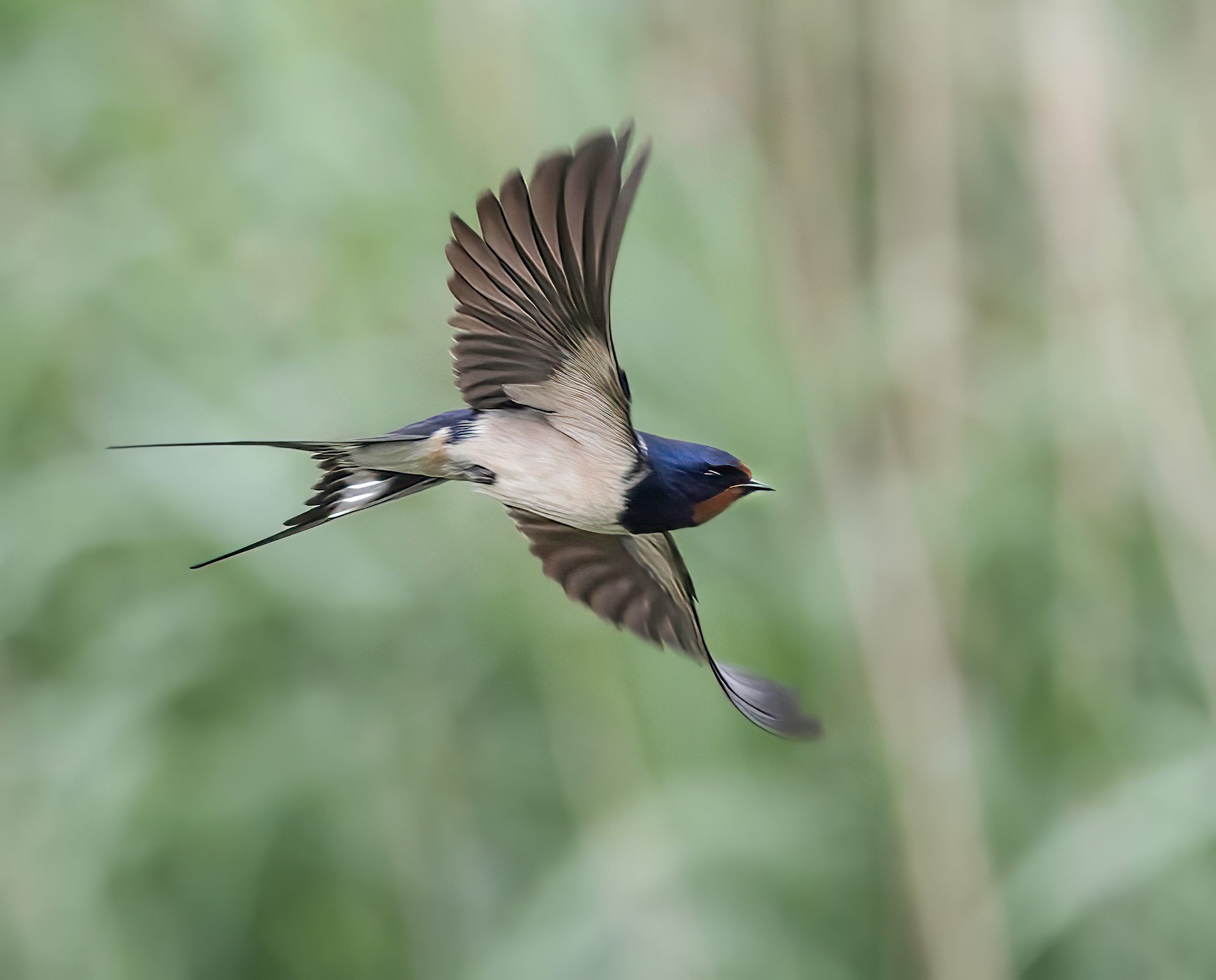
Additionally, some species have unique flight patterns or behaviors that make them less likely to respond to diverters. Therefore, while diverters can help many species, they are not a one-size-fits-all solution.
Environmental Factors
The environment plays a crucial role in the effectiveness of bird flight diverters. In areas with dense vegetation or complex landscapes, the visibility of diverters can be compromised. Furthermore, weather conditions such as fog or heavy rain can reduce the visibility of diverters, impacting their effectiveness.
To maximize the benefits of diverters, careful consideration must be given to their placement, design, and the specific environmental conditions of each location.

Cost-Benefit Analysis
Implementing bird flight diverters involves costs related to manufacturing, installation, and maintenance. However, the potential benefits—such as reducing bird mortality and avoiding power outages caused by collisions—often outweigh these costs.
Power companies and conservationists alike need to weigh the financial and ecological benefits of diverters, considering the long-term advantages of protecting bird populations and maintaining infrastructure integrity.
Conclusions from Experts
Experts agree that while bird flight diverters are not a perfect solution, they are a valuable tool in reducing bird collisions. When combined with other conservation strategies, such as habitat management and research into bird behavior, diverters can play a significant role in bird conservation efforts.
Ultimately, ongoing research and technology improvements will continue to enhance the effectiveness of these devices, contributing to more sustainable coexistence between human infrastructure and bird populations.