Comprehensive Guide to High Voltage Wire Bird Safety


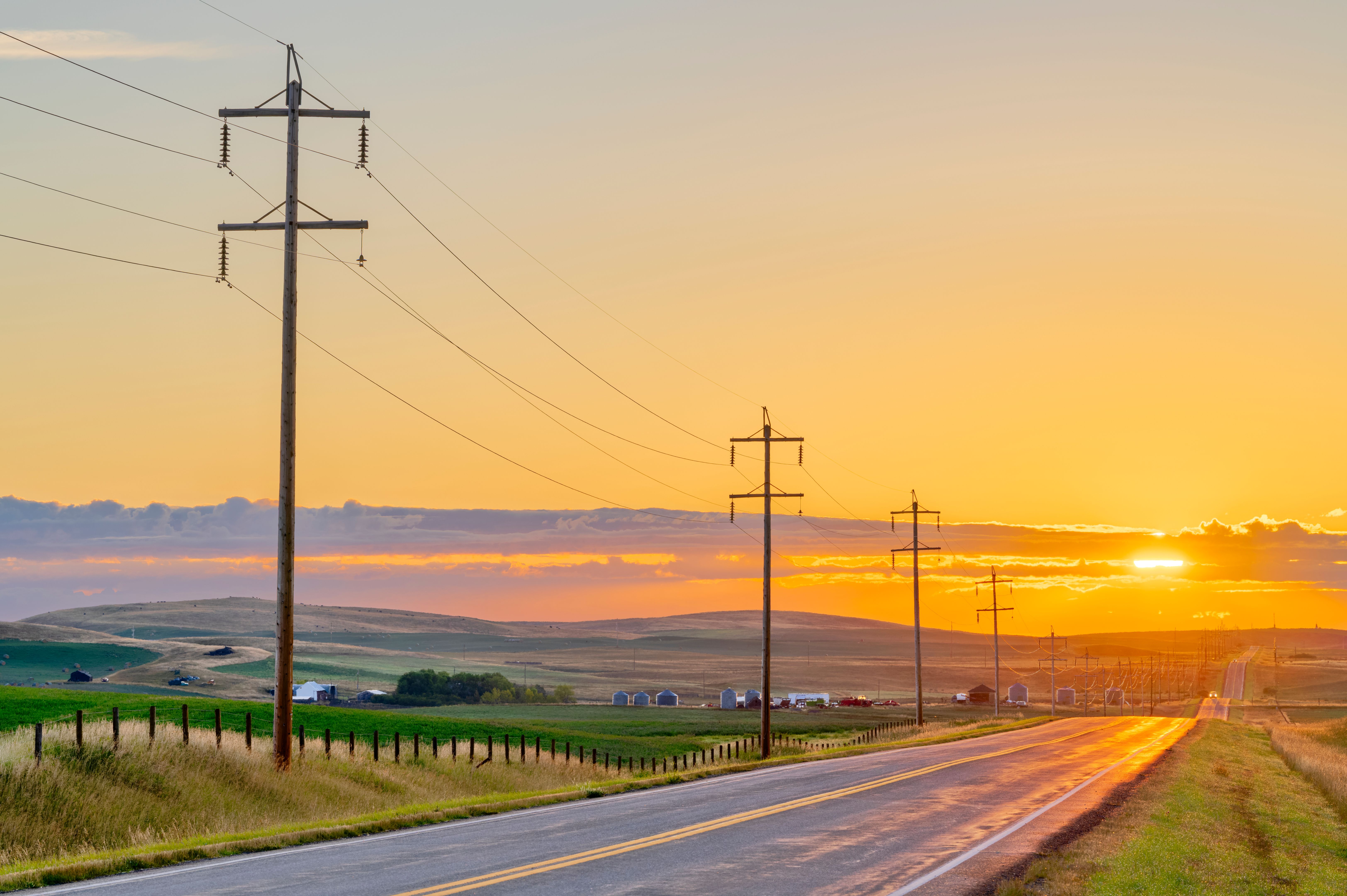
High voltage wires are a common sight in both urban and rural areas, presenting potential hazards not only to humans but also to birds. Ensuring bird safety around these structures is crucial for both avian conservation and the prevention of power disruptions.
Understanding the Risks
Birds often face risks from high voltage wires due to their size, flight patterns, and the presence of attractive perching spots. Collisions and electrocutions are primary concerns, leading to injuries or fatalities among bird populations. It's important to understand these risks to implement effective safety measures.
Common Causes of Bird Electrocution
Electrocution occurs when a bird touches two wires simultaneously or a wire and a grounded structure. Large birds are particularly vulnerable due to their wingspans. The proximity of wires and grounded elements can make certain power structures more dangerous.
Collision Risks
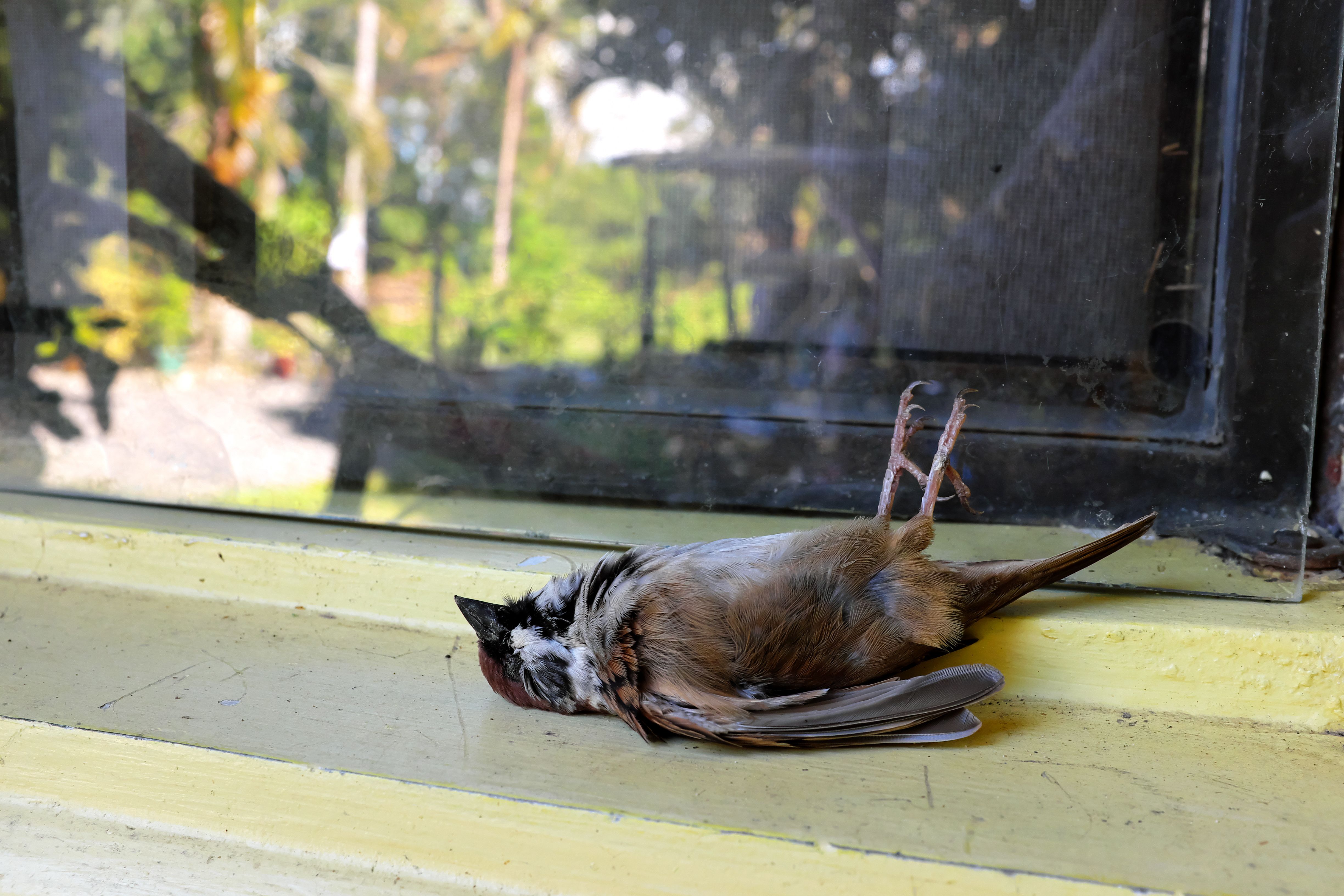
Birds may collide with power lines, especially in poor visibility conditions. These collisions can result in injury or death, and they may also cause power outages. Factors like wire visibility and bird behavior patterns influence collision risks.
Strategies for Bird Safety
Implementing strategies to mitigate these risks is essential for protecting bird populations. Various measures can be taken to enhance bird safety around high voltage wires.
Insulation and Spacing
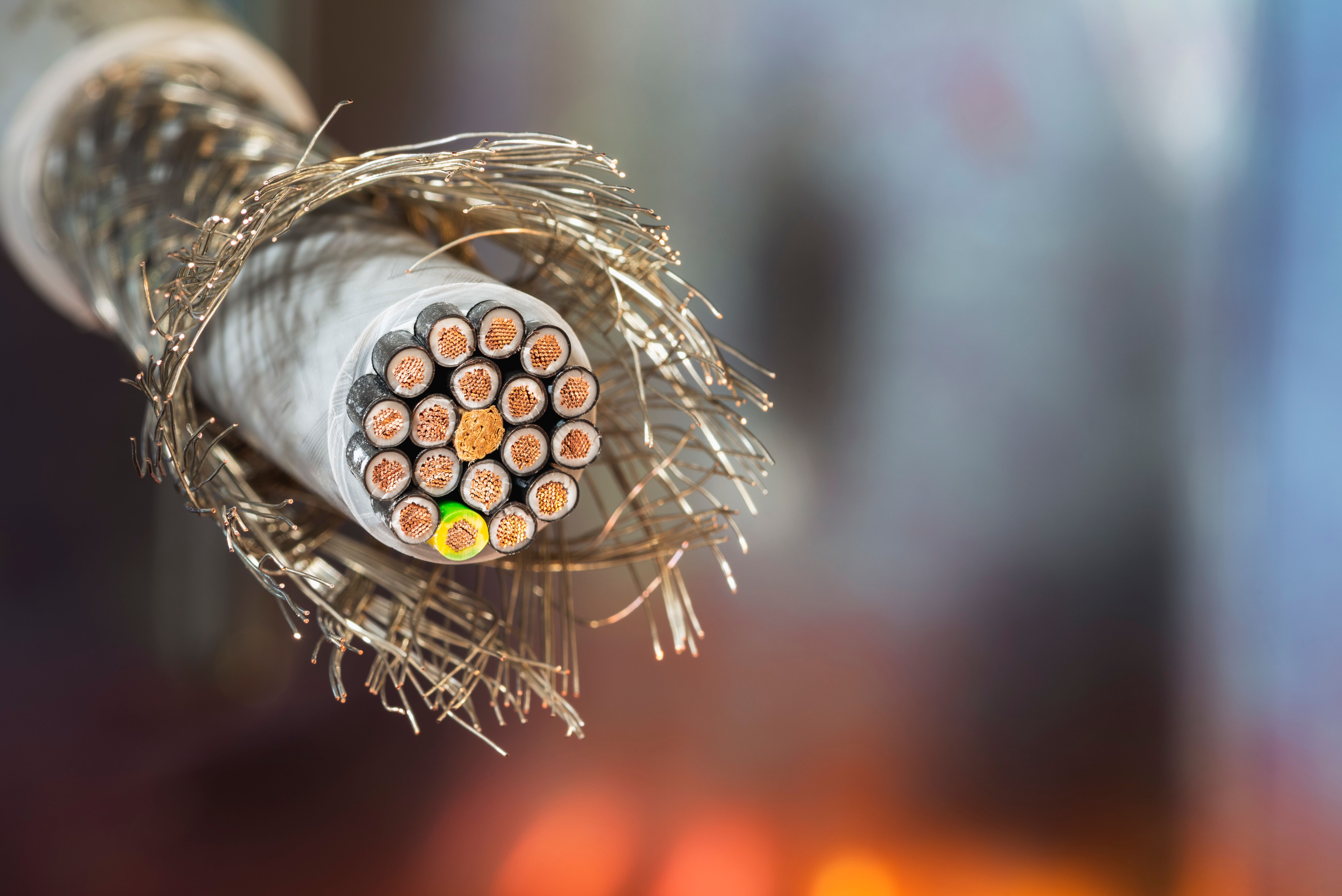
One effective method is insulating wires or increasing the spacing between them. This reduces the likelihood of birds completing a circuit between wires or between a wire and a grounded structure.
- Use of insulated covers on wires.
- Installation of bird-safe fittings and covers.
Visibility Enhancements
Improving the visibility of wires can significantly reduce collision risks. This can be achieved by installing markers or diverters that alert birds to the presence of wires.
- Flappers or spirals on wires.
- Colorful markers to increase visibility.
Monitoring and Maintenance
Regular monitoring and maintenance of power lines are crucial. This ensures that any bird safety measures in place remain effective and that any damaged components are promptly repaired.
Community Involvement
Engaging local communities in bird safety efforts can enhance the effectiveness of these initiatives. Educating the public about the importance of bird safety and encouraging reporting of incidents can foster collaborative conservation efforts.

In conclusion, protecting birds from the hazards of high voltage wires requires a combination of strategic planning, technological solutions, and community involvement. By implementing these measures, we can ensure the safety of bird populations while maintaining reliable power systems.