Bird Flight Diverters vs. Other Avian Protection Devices: What You Need to Know


Bird flight diverters and other avian protection devices play a crucial role in safeguarding birds from collisions with human-made structures. As awareness of bird conservation grows, it's essential to understand the differences and benefits of these protective measures.
Understanding Bird Flight Diverters
Bird flight diverters are designed to make power lines and other cables more visible to birds, reducing the risk of collision. These devices are typically installed on power lines in areas known for high bird activity. They work by creating visual markers that birds can see, allowing them to alter their flight path.
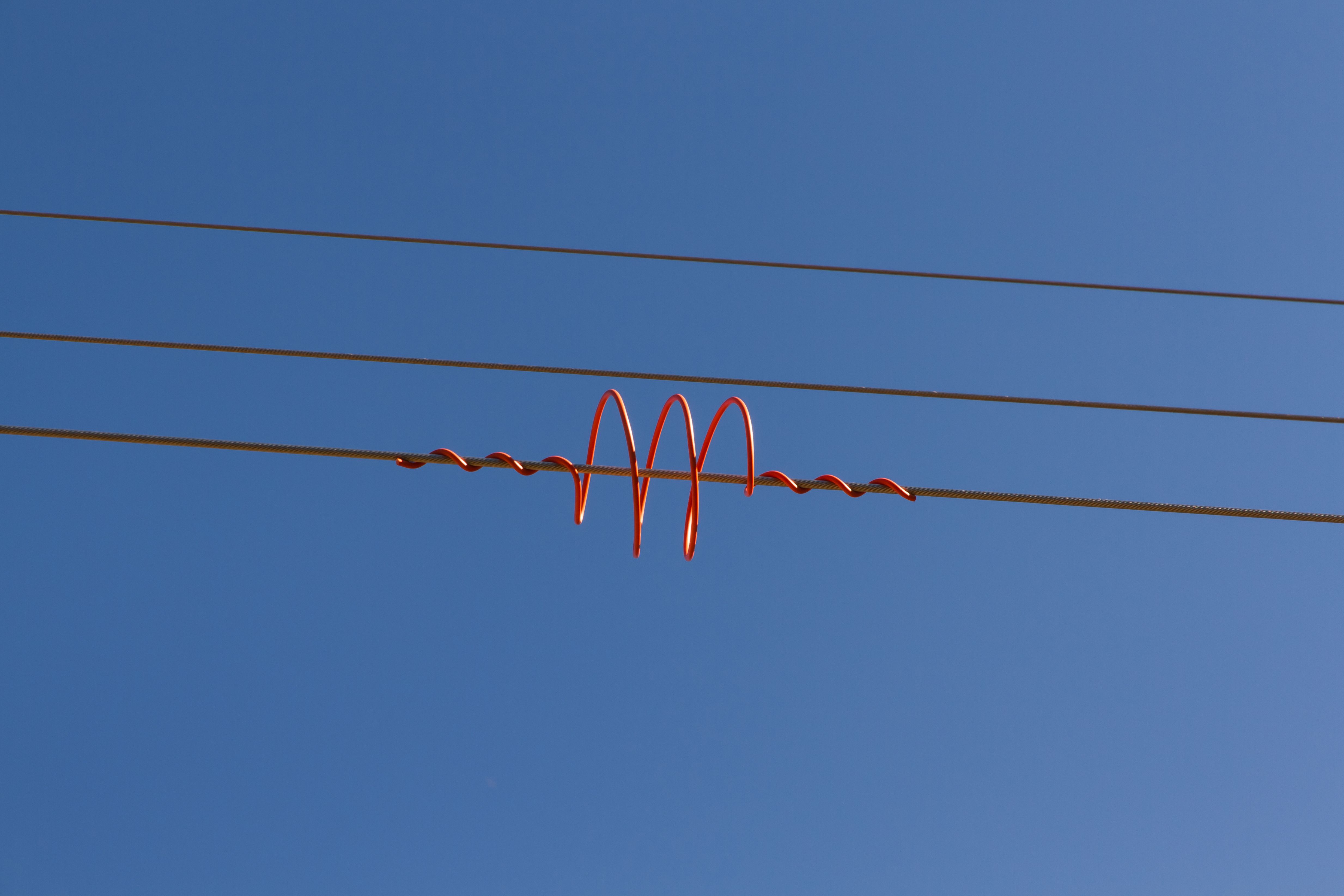
There are various types of bird flight diverters, including reflective, colored, and swinging models. Each type has its advantages, such as increased visibility in different weather conditions or times of day. Reflective diverters, for example, are particularly effective at night when headlights or moonlight can illuminate them.
Advantages of Bird Flight Diverters
One of the main advantages of bird flight diverters is their effectiveness in reducing bird collisions. They are a cost-effective solution for utility companies and other organizations looking to minimize their impact on local wildlife. Additionally, they have a relatively low maintenance requirement once installed.
Exploring Other Avian Protection Devices
Besides bird flight diverters, there are several other avian protection devices available. These include bird spikes, netting, and acoustic deterrents. Each type of device serves a different purpose and is suitable for various situations.

Bird spikes are commonly used to deter birds from landing on ledges and other surfaces. Netting can be employed to prevent birds from accessing certain areas, such as gardens or rooftops. Acoustic deterrents use sound to discourage birds from entering specific zones.
Choosing the Right Solution
When selecting an avian protection device, it's essential to consider the specific needs of the area and the types of birds present. For instance, bird spikes might be ideal for urban settings, while flight diverters are more suitable for rural areas with extensive power line networks.
It's also important to consider the environmental impact of each device. Some solutions, like netting, might pose a threat to other wildlife if not installed correctly. Therefore, working with a professional to assess the situation and recommend the best approach is advisable.

Conclusion
In conclusion, bird flight diverters and other avian protection devices are vital tools in preserving bird populations and preventing collisions. By understanding the different options available and their applications, organizations and individuals can make informed decisions that support bird conservation efforts.